
Humitron: The Biological Engine for Soil Optimization
Introduction to Humitron
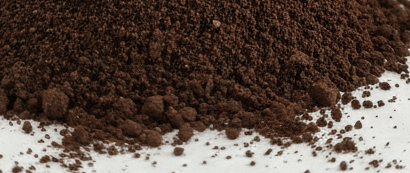
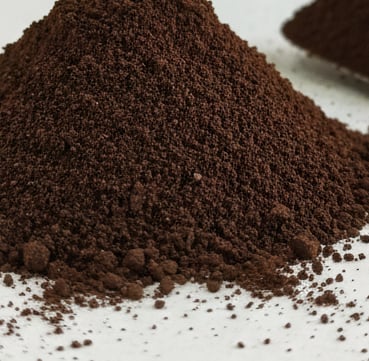
Humitron is an innovative biological catalyst designed to enhance agricultural practices through the optimization of soil health. This product, distinguished by its unique leonardite-based composition, plays a pivotal role in improving soil performance. Leonardite, a highly decomposed form of lignite coal, is rich in humic substances and compounds that are essential for plant growth and soil vitality.
The significance of Humitron lies not only in its capacity to improve soil structure but also in its ability to increase nutrient availability for plants. By enhancing the microbial community within the soil, Humitron facilitates better interactions between plants and soil organisms, thereby promoting a healthier root system. This is particularly vital in modern agriculture, where soil degradation and nutrient depletion often pose significant challenges to crop productivity.
As farmers and agriculturalists seek sustainable solutions, Humitron stands out for its efficiency in leveraging natural biological processes. Its application results in improved water retention capacity, which is crucial in times of drought, alongside the enhancement of soil fertility. By aiding in the retention of essential nutrients, Humitron not only optimizes plant growth but also reduces the need for chemical fertilizers, aligning with organic farming principles.
In summary, Humitron's leonardite-based formulation represents a progressive step in soil management. It not only addresses existing soil health issues but also sets a new standard in agricultural practices, focusing on sustainability and productivity. By integrating Humitron into farming routines, agricultural stakeholders can better manage soil resources, ensuring long-term viability and health of agricultural lands.
The Importance of Soil Optimization
Soil optimization plays a fundamental role in sustainable agriculture by ensuring the health and fertility of the land. Healthy soil functions as a critical ecosystem that supports plant growth, influences crop yield, and determines the overall productivity of agricultural practices. The quality of the soil directly affects the amount of nutrients available for plants, which in turn influences the quantity and quality of the food produced. This presents a direct correlation between soil management practices and food security on a global scale.
Moreover, the environmental impact of soil management cannot be understated. Well-optimized soil helps in maintaining the natural balance of ecosystems by promoting biodiversity, reducing the need for synthetic fertilizers, and minimizing water pollution through improved nutrient management. Healthy soils are adept at retaining moisture, which is essential for mitigating the effects of drought conditions and adapting to climate changes. Therefore, optimizing soil contributes to the resilience of agricultural systems faced with increasingly erratic weather patterns.
From an economic standpoint, the implementation of sustainable soil management practices translates into several benefits for farmers and the agricultural industry at large. Enhanced soil health leads to decreased input costs as the reliance on chemical fertilizers and pesticides diminishes. This not only benefits the farmer economically but also has broader implications for consumer health and the environment. By enhancing soil properties through practices such as crop rotation, cover cropping, and the integration of organic matter, farms can achieve higher yields and greater profitability over time. Thus, soil optimization is not merely an agricultural strategy; it is a vital component for a sustainable future, ensuring healthy food production while safeguarding environmental integrity.
Understanding Leonardite and Its Benefits
Leonardite is a highly sought-after organic material that plays a crucial role in soil optimization through its incorporation in products like Humitron. Formed from the natural degradation of lignin-rich plant materials, this substance is rich in humic acid, which is essential for elevating soil health and productivity. Leonardite's natural properties make it a versatile resource for enhancing soil structure, promoting nutrient availability, and supporting beneficial microbial life.
One of the primary benefits of leonardite is its ability to improve soil structure. When applied to soils, it aids in forming stable aggregates that enhance aeration and water retention. This modification is particularly beneficial for compacted soils, as better aeration leads to improved root development and facilitates the uptake of essential nutrients by plants. Moreover, the enhanced water-holding capacity allows for reduced irrigation needs, promoting efficiency in water usage.
In addition to improving physical attributes, leonardite significantly enhances nutrient availability in the soil. Humic acid, a component of leonardite, increases the cation-exchange capacity of the soil, allowing it to retain more nutrients. This retention means that essential elements such as nitrogen, phosphorus, and potassium are held within the root zone longer, providing a continuous supply to plants. Consequently, plants can absorb these nutrients more effectively, which translates into healthier growth and higher yields.
Furthermore, leonardite supports beneficial microorganisms in the soil ecosystem. By creating an optimal environment for microbial activity, leonardite fosters the growth of microorganisms that play vital roles in nutrient cycling and organic matter decomposition. These microbes contribute to overall soil fertility and improve plant resilience against diseases and environmental stressors. Thus, incorporating leonardite into soil management practices can lead to enhanced plant health and sustainable agricultural practices.
The Science Behind Humic and Fulvic Acids
Humic and fulvic acids are fundamental components of Humitron’s formulation, playing crucial roles in enhancing soil chemistry and facilitating plant nutrition. These naturally occurring organic acids are products of the decomposition of organic matter, contributing significantly to soil health and fertility. Their unique molecular properties allow them to interact with various nutrients, making them vital for agricultural applications.
Humic acid is a larger, complex molecule that helps in improving the soil structure. It increases the soil's ability to retain water and nutrients, thereby enhancing its overall fertility. By improving soil aeration and reducing compaction, humic acid creates an environment conducive to root growth, facilitating better plant uptake of nutrients. Furthermore, it acts as a chelating agent, binding to essential minerals and trace elements in the soil, effectively making them more available to plants.
On the other hand, fulvic acid is smaller in molecular size and has a higher solubility in water. This property enables it to easily penetrate plant cell membranes, facilitating the rapid absorption of nutrients. Fulvic acid works synergistically with humic acid, further enhancing nutrient availability. It assists in mobilizing nutrients that may otherwise be bound and inaccessible, bridging the gap between soil and plant nutrition. This is particularly important in soils with high cation exchange capacities, where certain nutrients are often locked in forms that cannot be utilized by plants.
Together, humic and fulvic acids not only optimize nutrient availability but also promote overall soil health. By incorporating these acids in formulations like Humitron, growers can significantly enhance plant resilience, growth, and productivity. This interplay of organic chemistry is key to sustainable agriculture, emphasizing the importance of biological solutions for soil management.
Humitron’s Impact on Soil Microbiology
Humitron has been identified as a revolutionary product in the realm of soil management and optimization. One of its most significant benefits lies in its profound impact on soil microbiology. The application of Humitron stimulates a thriving population of microorganisms that are crucial for maintaining soil health and fertility. These beneficial microorganisms include bacteria, fungi, and protozoa, all of which play indispensable roles in various soil processes.
The introduction of Humitron to the soil enhances the diversity of microbial communities. Beneficial bacteria, such as nitrogen-fixing species and phosphate-solubilizing organisms, flourish in the enriched environment created by Humitron. These bacteria facilitate nutrient cycling by transforming unavailable nutrients into forms that plants can readily absorb, thereby improving overall nutrient availability. Fungi, particularly mycorrhizal fungi, also significantly benefit from Humitron, establishing symbiotic relationships with plant roots that enhance water and nutrient uptake.
In addition, Humitron promotes the formation of soil aggregates, which improve soil structure. The microbial activity spurred by the presence of Humitron leads to the production of extracellular polysaccharides, which bind soil particles together, creating stable aggregates. This improved soil structure enhances aeration, water retention, and root penetration, providing a healthier environment for crops to thrive.
Moreover, the increased microbial activity contributes to organic matter decomposition. As microorganisms decompose organic residues, they return essential nutrients to the soil, reinforcing the cycle of life within agricultural ecosystems. Hence, the application of Humitron results not only in enhanced soil microbiology but also in an overall boost to soil health. The synergy between various microorganisms constitutes a resilient microbial network that supports sustainable agricultural practices and enhances ecosystem services.
Application and Best Practices for Professional Growers
For professional growers aiming to enhance soil health and plant productivity, the effective application of Humitron is crucial. Humitron is a biological engine that plays a significant role in optimizing soil conditions for agricultural practices. To maximize its benefits, understanding the correct application rates and timing is essential.
The recommended application rate of Humitron typically ranges from 5 to 10 gallons per acre, depending on the specific soil conditions and crop requirements. It is advisable for growers to conduct soil tests prior to application to tailor these rates effectively. These tests provide insights into existing nutrient levels and microbe activity, enabling growers to adjust Humitron usage accordingly.
Timing of application can significantly influence the efficacy of Humitron. Ideally, it should be applied during tillage, which allows proper incorporation into the soil. Additionally, applying Humitron before planting or at the start of the growing season can help establish a healthy environment for roots to thrive. In perennial systems, application during dormancy is also beneficial, as it provides an opportunity for the microbial population to develop before the active growth phase begins.
Integrating Humitron into existing soil management practices can enhance overall soil health. Growers should consider using it in conjunction with other organic amendments or fertilizers to create a more conducive growing environment. It is also important to monitor soil moisture levels when using Humitron, as both moisture and microbial activity are interlinked, influencing nutrient availability.
In conclusion, applying Humitron effectively requires careful consideration of rates, timing, and integration into current practices. By following these best practices, professional growers can optimize soil conditions, leading to improved crop performance and sustainable agricultural practices.
Conclusion: Embracing Sustainable Practices with Humitron
In a world where sustainable agriculture has become a pressing necessity, Humitron emerges as a transformative solution for soil optimization. This innovative biological engine plays an essential role in enhancing soil health and productivity, thereby contributing to more resilient ecosystems and farming practices. By integrating Humitron into agricultural systems, farmers can significantly improve soil fertility and microbial activity, creating an environment conducive to robust plant growth.
One of the primary benefits of utilizing Humitron lies in its ability to restore and maintain soil structure. This product aids in enhancing water retention capabilities, reducing erosion, and promoting nutrient cycling—critical factors for sustainable farming. Furthermore, the application of Humitron fosters a biodiverse microbial community, which is crucial for maintaining a balanced soil ecosystem. As soil microbes thrive, they facilitate the breakdown of organic matter and enhance nutrient availability for crops, ultimately leading to improved yields.
Moreover, the adoption of Humitron supports agricultural practices that are not only productive but also environmentally responsible. By reducing the reliance on chemical fertilizers and pesticides, farmers can transition towards more sustainable practices that align with the principles of organic farming. The use of Humitron exemplifies a commitment to sustainable agriculture, enabling producers to meet the increasing demand for food while minimizing their ecological footprint.
In light of its numerous advantages, Humitron presents a viable and effective option for improving soil health and overall productivity. Embracing this biological engine is not merely an advancement in agricultural technology; it is a necessary step towards fostering a more sustainable future for our planet. As we move forward, it is imperative that we consider the profound impact that products like Humitron can have on our agricultural practices and environmental stewardship.